
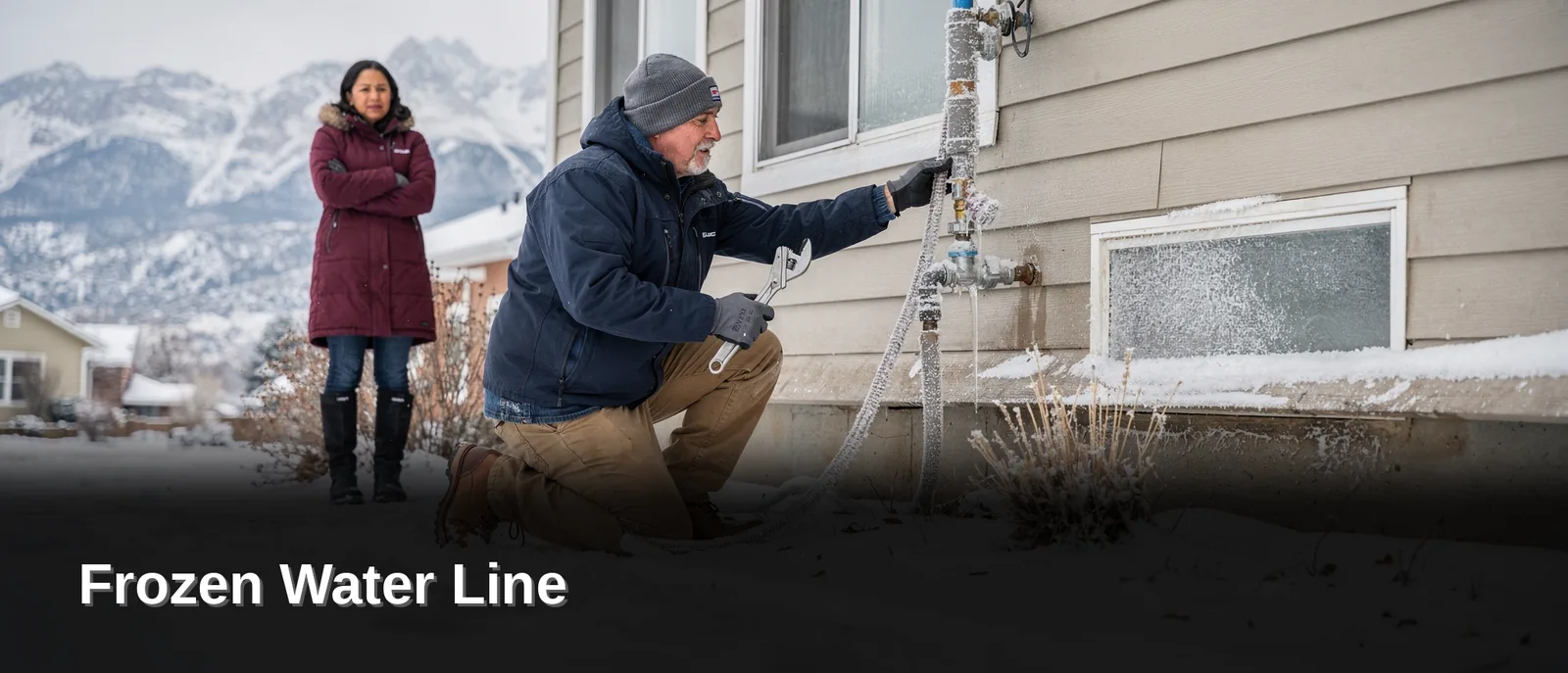
Frozen water lines in Colorado Springs show warning signs like reduced flow, odd odors, or no water before pipes burst from pressure buildup. Causes trace to poor insulation, not plumbing defects, especially in older homes. Ultimate Excavation & Liners, serving the region for over 12 years, resolves breaks through trenchless methods including pipe bursting and prompt water line repair.
Key Takeaways
- Frozen pipes stem from poor insulation, not plumbing defects, requiring specialized prevention strategies.
- Early warning signs appear before pipes burst, allowing homeowners to prevent water damage.
- Older Colorado Springs homes face higher freezing risks due to inadequate pipe insulation.
- Ultimate Excavation & Liners provides rapid diagnosis and professional repair for frozen water lines.
What Causes a Frozen Water Line in Colorado Springs?
Insulation gaps, not pipe defects, cause most frozen water lines in Colorado Springs. A frozen water line forms when exposed or poorly insulated pipe sits in prolonged subfreezing air, allowing ice to build inside the line until flow stops or pressure cracks the pipe. Colorado Springs winters push frost well below the surface, reaching depths that catch shallow or exposed lines off guard. Buried lines running above the local frost depth in Colorado face the greatest risk.
Property age plays a role, but it doesn’t tell the whole story. Older homes often have shallower service lines, outdated insulation, or crawlspace plumbing exposed to drafts. Newer properties aren’t immune, though. Any home can lose water service during a hard freeze if a line sits in an uninsulated wall, crawlspace, or unheated garage.
Is a Frozen Pipe Really a Plumbing Problem?
No. The pipe itself usually isn’t defective; the surrounding insulation failed to protect it from the cold. Addressing the insulation gap, not just the frozen section, prevents repeat freezing in future winters.
Which Spots Freeze First?
Certain locations freeze faster than others because they lack steady heat and proper burial depth:
- Pipes running through unheated crawlspaces or garages
- Lines near exterior walls with thin or missing insulation
- Shallow-buried service lines above the recommended frost depth
- Exposed outdoor spigots and hose connections
Ultimate Excavation & Liners operates out of Colorado Springs, giving the crew direct, firsthand familiarity with the frost patterns and soil conditions that trigger local line freezes. That local knowledge, paired with hands-on field experience and modern diagnostic equipment, allows the team to pinpoint the exact cause of a freeze quickly rather than guessing at the problem.
What Are the Early Warning Signs of Freezing?
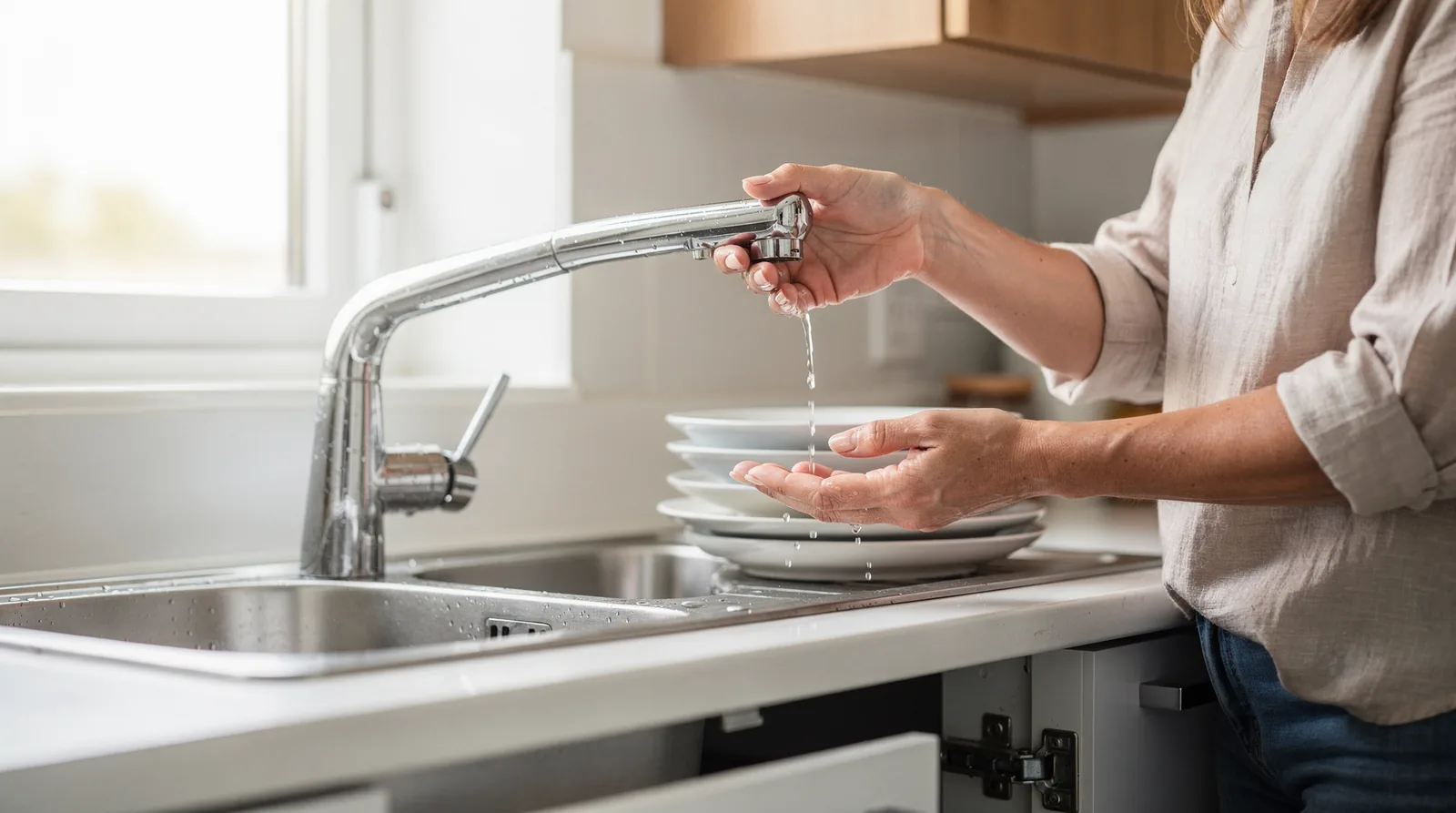
Little to no water flow from a faucet signals the earliest and most common sign of trouble with a frozen water line. Colorado Springs homeowners should treat a weak trickle or sudden silence at the tap as a reason to act, not wait. Ignoring that first clue risks far more than inconvenience; it risks a burst line and flooding inside the home.
A line can freeze solid long before it ever bursts. Pressure builds quietly inside the pipe, invisible from outside walls or under slabs. By the time a homeowner notices, that pressure may already be pushing toward a rupture point.
Why Do Frozen Pipes Go Unnoticed Until It’s Too Late?
Frozen lines rarely produce obvious, immediate damage. That absence of visible warning is exactly why they’re so easy to miss in a Colorado Springs winter. A homeowner might assume a quiet faucet means low city pressure, not a freezing emergency building behind the wall.
What Should Homeowners Check First?
Start with the basics before assuming the worst:
- Faucet flow: Check every tap in the house, not just one, since a single frozen stretch can starve multiple fixtures.
- Flow pattern: Note whether water trickles, sputters, or stops entirely, each pointing toward a different stage of freezing.
- No water in house across every fixture at once often points to a frozen main line rather than one isolated pipe.
Catching these signs early gives homeowners a window to call for help before a frozen line turns into a costly break.
Why Is There No Water in Your House?
A total loss of water inside a Colorado Springs home usually traces back to a frozen water line cutting off supply somewhere between the street and the fixtures. Ice forms inside the pipe, blocks flow completely, and pressure builds behind the blockage. Left alone, that pressure often leads to a crack or split once temperatures swing back above freezing.
No water in house situations demand fast attention, since a blocked line can mask a bigger failure building underneath the surface. Prompt, professional repair restores flow and prevents smaller freeze damage from turning into a flooded crawlspace or a collapsed line. Waiting rarely makes the problem smaller.
What Should Homeowners Do First When the Water Stops?
Finding and marking the main shut-off valve is the first move, since it controls water to the entire house. Knowing its location ahead of time saves critical minutes if a frozen section bursts once it thaws. Mark it clearly and make sure every household member knows where it is.
Can a Frozen Line Be Fixed Without Digging Up the Yard?
Excavation crews trained to handle a range of underground repair scenarios can respond to a no-water emergency with minimal disruption to the property. Equipment and methods vary by site conditions. The goal stays the same: restore flow fast while protecting landscaping, driveways, and walkways.
Simple habits reduce risk before a freeze turns into an emergency:
- Run each faucet briefly during cold snaps to keep water moving through the line.
- Locate and mark the main shut-off valve before trouble starts.
- Call a professional promptly once water stops, rather than waiting to see if it returns on its own.
What Repair Options Fix a Frozen Water Line?
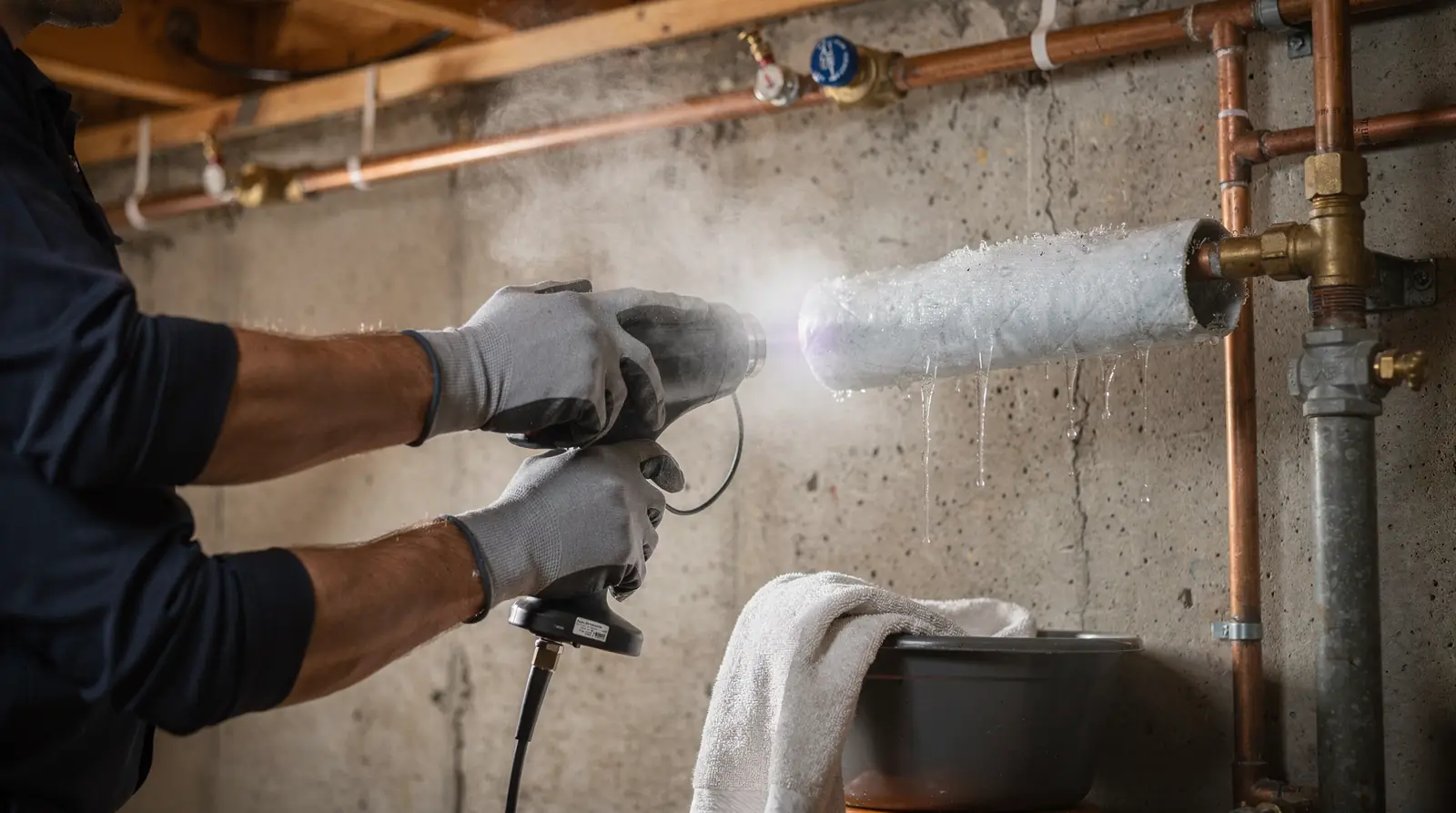
Two primary methods restore a frozen water line in Colorado Springs homes: trenchless repair and open excavation. Ultimate Excavation & Liners brings more than 12 years of industry experience to both approaches, matching the method to the property’s specific conditions and the depth of the freeze.
Frozen water service line repair often calls for trenchless technology, including pipe bursting. This method replaces a damaged line without digging a full trench across the yard. Landscaping, driveways, and walkways stay largely undisturbed, and project timelines shrink compared to traditional digging. Costs also stay lower, since restoration of surface features adds far less expense to the final bill.
Some situations still require open excavation, particularly when a line has collapsed or shifted below the region’s frost line. Colorado Springs sees a frost depth that pushes water lines deep underground, meaning repairs sometimes need direct access to the pipe. When that’s the case, crews work efficiently and precisely to minimize surface disruption while restoring full function.
Does Frost Depth in Colorado Affect Repair Method?
Yes. Lines buried below the local frost depth standard are harder to reach. Excavation depth and soil conditions determine whether trenchless or open methods make more sense. Deeper lines may need wider excavation to safely access the break point.
What Determines Water Line Replacement Cost?
Water line replacement cost depends on repair method, pipe depth, and property type. Trenchless options typically cost less by avoiding large-scale surface restoration.
Service options include:
- Trenchless pipe bursting for non-invasive full-line replacement
- Sewer and water line lining for targeted interior repairs
- Open excavation for deep or severely damaged lines
Residential and commercial properties both qualify for these repair paths, with fair, transparent pricing applied to every estimate regardless of project scope.
How Can You Prevent Future Frozen Lines?
Prevention starts with insulation, not plumbing repairs. Colorado Springs winters bring severe freezing weather. Unprotected water lines freeze at the most inconvenient times, often overnight or during a cold snap when nobody is watching. A frozen water line rarely gives warning before pressure builds inside the pipe and cracks it open.
Property owners reduce that risk with a few proven habits:
- Wrap exposed pipes in crawlspaces, attics, or near broken windows with insulation or electrical heat tape.
- Seal drafts around foundation vents and crawlspace doors before temperatures drop.
- Keep cabinet doors open under sinks on exterior walls during hard freezes.
- Schedule a professional inspection before winter if pipes have frozen in prior seasons.
What Should Be Done If a Line Freezes Anyway?
Fast action limits damage once a line freezes. Calling a crew experienced in frozen water service line repair keeps a partial freeze from turning into a burst pipe and a full water line replacement cost. Ultimate Excavation & Liners has served the Colorado Springs community for more than 12 years, pairing that experience with trenchless methods that limit disruption to yards and driveways during repairs.
Does Frost Depth Affect Long-Term Prevention?
Frost depth in Colorado plays a direct role in how deep water lines need to sit to stay protected. Lines buried too shallow stay exposed to seasonal freeze cycles year after year. When a line shows repeated damage near the surface, durable lining installation offers a cost-effective fix before a minor crack grows into no water in house and an emergency call. Trenchless repair techniques apply that same minimal-disruption standard to protecting nearby water lines during any sewer project.
FAQ
What causes a frozen water line in Colorado Springs?
Poor insulation, not pipe defects, allows exposed or shallow-buried lines to sit in prolonged subfreezing air. Ice builds inside until flow stops or pressure cracks the pipe, especially in lines above the local frost depth.
What are the warning signs of a frozen water line?
Reduced flow, odd odors, or no water at the faucet signal trouble before pipes burst. Homeowners should treat a weak trickle or sudden silence as a reason to act immediately, not wait.
How does Ultimate Excavation & Liners repair frozen water lines?
Ultimate Excavation & Liners, serving Colorado Springs over 12 years, resolves breaks through trenchless methods including pipe bursting. The team combines local frost knowledge with modern diagnostic equipment for fast, accurate repairs.
Conclusion
In closing, recognizing the signs of a frozen water line, reduced water pressure, no water flow, or visible frost, allows you to act quickly before damage worsens. Understanding the causes, from inadequate insulation to prolonged cold snaps, helps you prevent future freezes. Whether you need immediate thawing or permanent repair solutions, addressing frozen lines promptly protects your property and restores reliable water service. Professional assessment ensures the right approach for your situation.